
Progressive Web Apps in 2026: When the Web Can Replace a Native App
PWAs combine web distribution with app-like capabilities such as installation, offline use and deeper device integration, but they are not the right answer for every product.
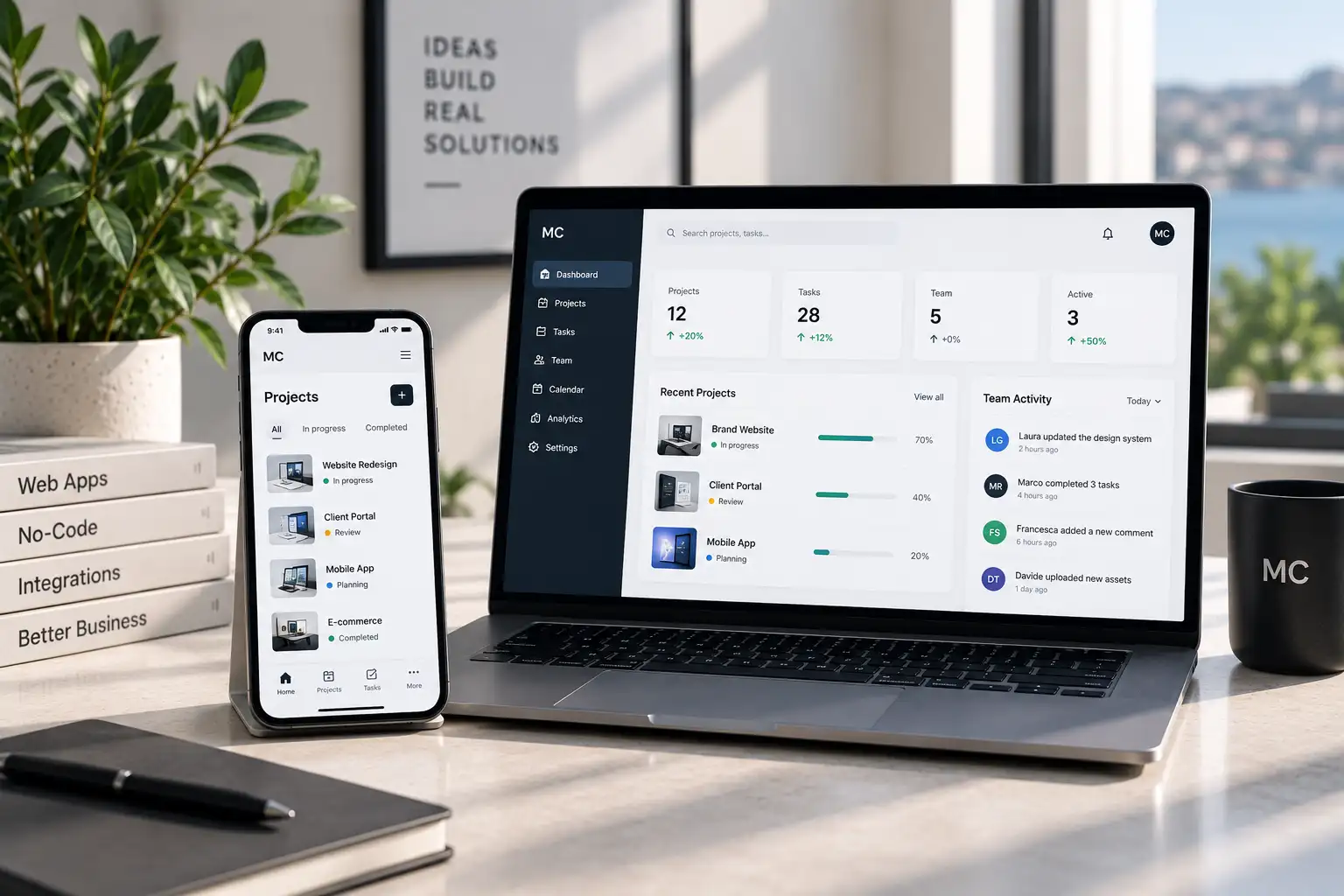
A business that needs an application does not always need to begin with separate iOS and Android products. Progressive Web Apps, or PWAs, use standard web technologies while providing capabilities associated with platform-specific apps.
What makes a PWA different?
According to MDN, PWAs can be installable, launch in a standalone experience and support capabilities such as offline operation, background activity and notifications where the platform supports them. At the same time, they retain an important advantage of the web: they can be reached and shared through URLs.
One codebase can simplify delivery
For some projects, a web-based application can reduce the complexity of maintaining separate platform builds. Updates can also be deployed through the web rather than requiring every change to follow a traditional app-store release process.
When does a PWA make sense?
A PWA can be particularly interesting for customer portals, booking tools, internal systems, directories and service platforms where cross-device access and fast iteration matter. A native application may still be preferable when a product depends heavily on platform-specific hardware capabilities or deep operating-system integration.
The right decision starts with the user's tasks and the business model, not with choosing a technology first.
If you're evaluating a PWA or custom digital product, explore web app and digital platform development.