
What Modern Business Websites Need in 2026: Native Web Features, Performance and Accessibility
Modern websites are moving toward lighter native browser features, stronger accessibility and structures that are easier for both people and AI systems to understand.
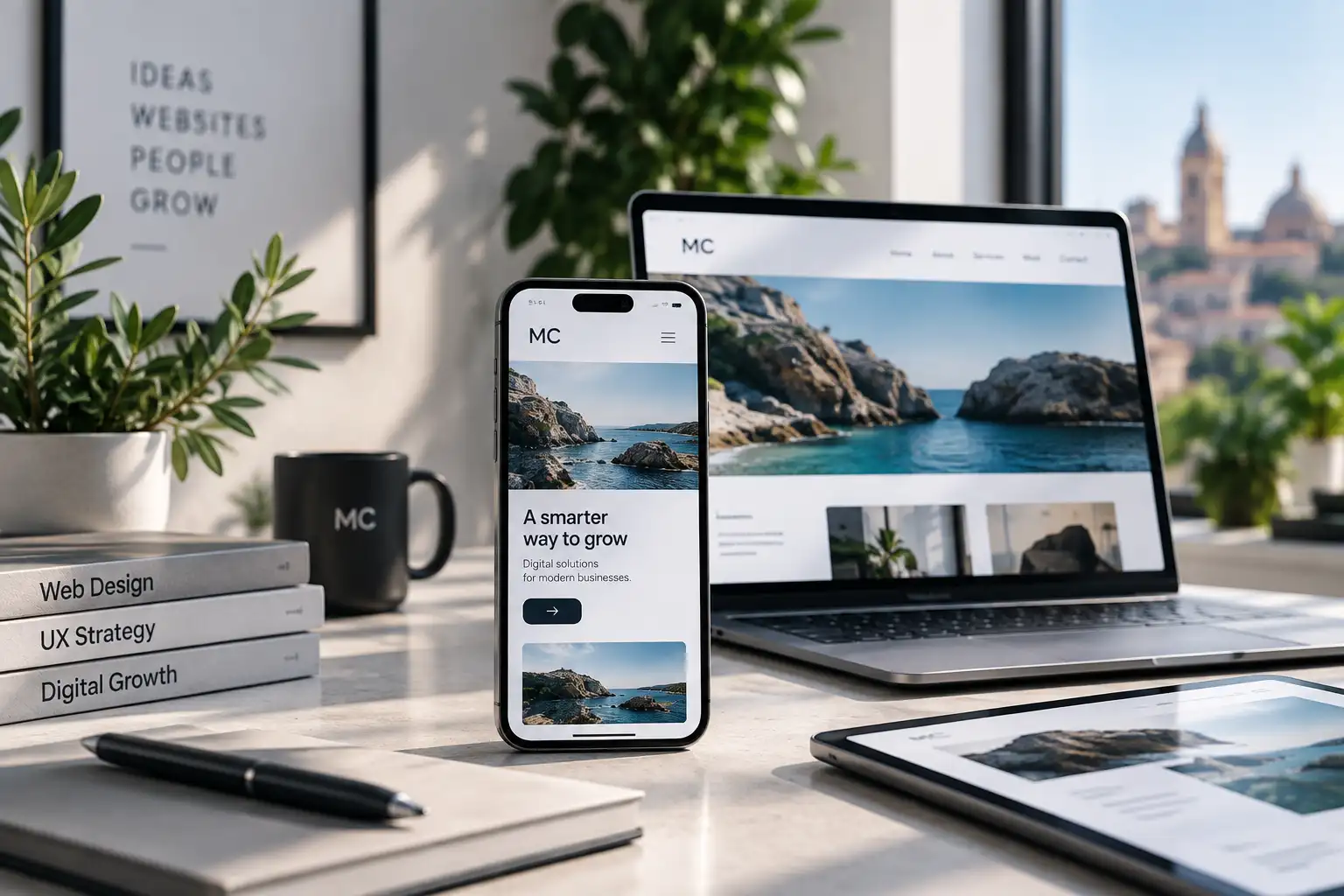
Business websites in 2026 are expected to do much more than look polished. They need to load quickly, remain accessible, support changing content and work reliably across devices.
Native web features are becoming more important
One useful signal comes from Webflow Conf 2026. Webflow announced new native building blocks for common interface patterns, starting with popovers for elements such as modals, tooltips, banners and menus. The approach uses modern browser capabilities including anchor positioning and top-layer behaviour rather than relying entirely on custom JavaScript.
For businesses, the important lesson is broader than one Webflow feature. Using native platform capabilities where appropriate can reduce unnecessary code, improve maintainability and make interactive components easier to build accessibly.
Performance and accessibility belong in the design process
A professional website should not treat performance and accessibility as fixes added after launch. Navigation, hierarchy, responsive behaviour, image handling and interactive states should be considered while the interface is being designed.
This also makes future changes easier. A clear component system and CMS structure allow marketing teams to update content without slowly degrading the original design.
What businesses should prioritise
Before adding more effects or features, focus on a clear information hierarchy, responsive layouts, fast pages, accessible interactions and reusable components. These foundations usually create more long-term value than visual complexity.
For a modern business website built around these principles, see our website design and development service.
Source: Webflow, For the builders: canvas, CMS, and quality-of-life improvements from Webflow Conf 2026.